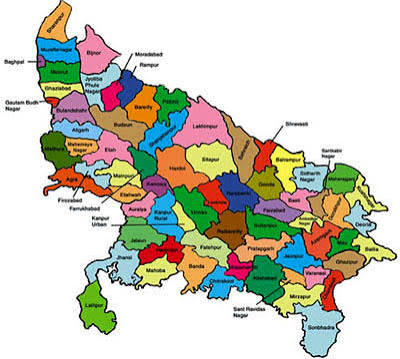
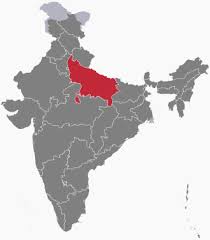
What is the capital city of Uttar Pradesh and why is it significant?
Lucknow serves as the capital of Uttar Pradesh. It is historically known as the seat of the Nawabs of Awadh and features a blend of Mughal and colonial architecture, including the Bara Imambara and the Rumi Darwaza. The city is also a major administrative, educational, and cultural hub in northern India.
Which major rivers flow through Uttar Pradesh?
The Ganges (Ganga) is the most prominent river, flowing through cities like Varanasi, Allahabad (Prayagraj), and Kanpur. Other key rivers include the Yamuna, which forms part of the border with Delhi and passes through Agra, and the Ghaghara, Gomti, and Betwa. The state’s fertile alluvial plains rely heavily on these river systems for agriculture.
What are the most famous tourist destinations in Uttar Pradesh?
Agra is home to the Taj Mahal, a UNESCO World Heritage Site and one of the Seven Wonders of the World. Varanasi, one of the oldest continuously inhabited cities, attracts pilgrims for its ghats along the Ganges and the Kashi Vishwanath Temple. Other notable sites include the Fatehpur Sikri complex near Agra, the Buddhist stupas at Sarnath, and the holy city of Ayodhya, linked to Lord Rama.
What languages are predominantly spoken in Uttar Pradesh?
Hindi is the official language and is widely spoken across the state. Urdu also holds official status in several districts, particularly in areas with significant Muslim populations. Regional dialects such as Awadhi, Bhojpuri, Braj Bhasha, and Bundeli are commonly used in rural areas and everyday conversation, reflecting the state’s linguistic diversity.
How does Uttar Pradesh contribute to India’s economy?
Agriculture remains the backbone, with the state being a leading producer of sugarcane, wheat, rice, potatoes, and milk. Industrial sectors include textiles, leather goods, handicrafts (especially in Varanasi and Mirzapur), and small-scale manufacturing. The service sector has grown rapidly, with IT and tourism playing increasing roles. The state also hosts the Lucknow and Noida industrial corridors.
What is the population size and density of Uttar Pradesh?
According to the 2011 census, Uttar Pradesh had a population of over 199 million, making it the most populous state in India. As of 2024 estimates, the population likely exceeds 240 million. The population density is very high, averaging around 828 persons per square kilometer, with the Gangetic plains being particularly crowded.
What are the major festivals celebrated in Uttar Pradesh?
Diwali, Holi, and Dussehra are celebrated with great enthusiasm across the state. The Kumbh Mela, held every 12 years in Prayagraj, attracts millions of pilgrims. Other significant events include the Ram Navami festival in Ayodhya, the Taj Mahotsav in Agra, and the Ganga Aarti in Varanasi. Eid and Muharram are observed in Muslim-majority areas.
What is the climate like in Uttar Pradesh throughout the year?
The state experiences a subtropical climate with three main seasons: summer (March to June), monsoon (July to September), and winter (October to February). Summers can be extremely hot, with temperatures reaching up to 45°C in parts of the plains. Winters vary from mild in the east to cooler in the west, with occasional fog. The monsoon brings most of the annual rainfall, averaging 50–100 cm depending on the region.